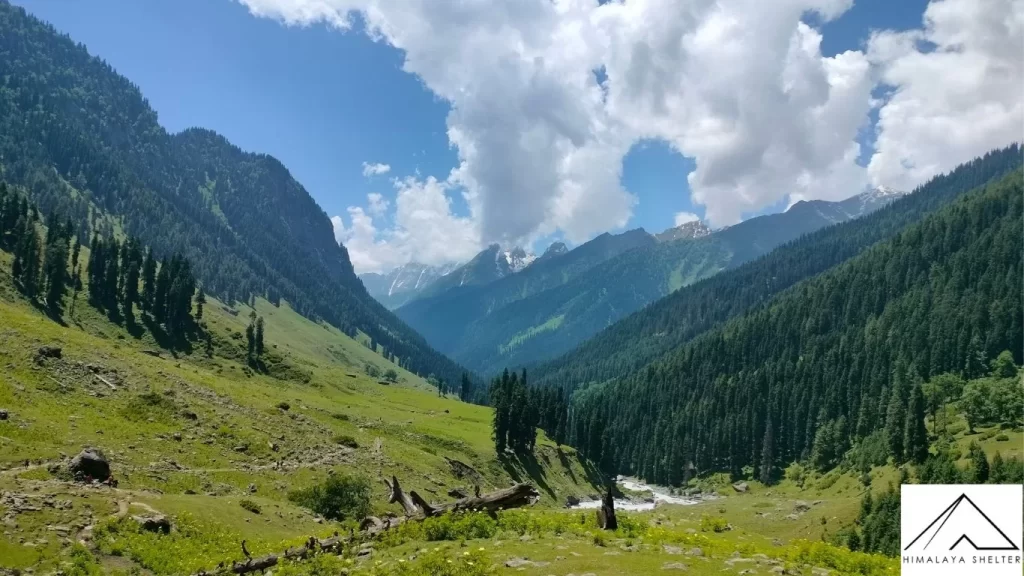
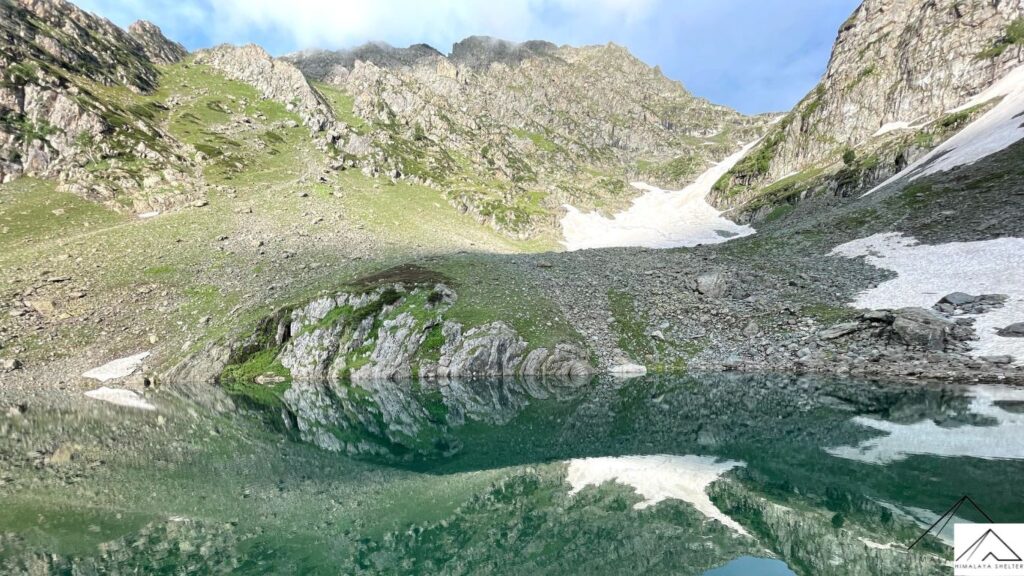
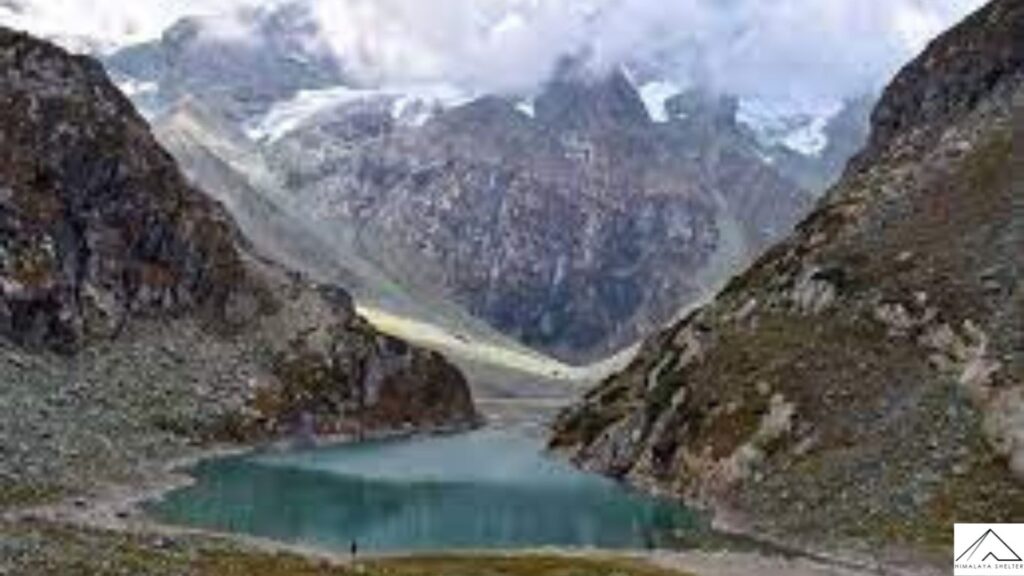
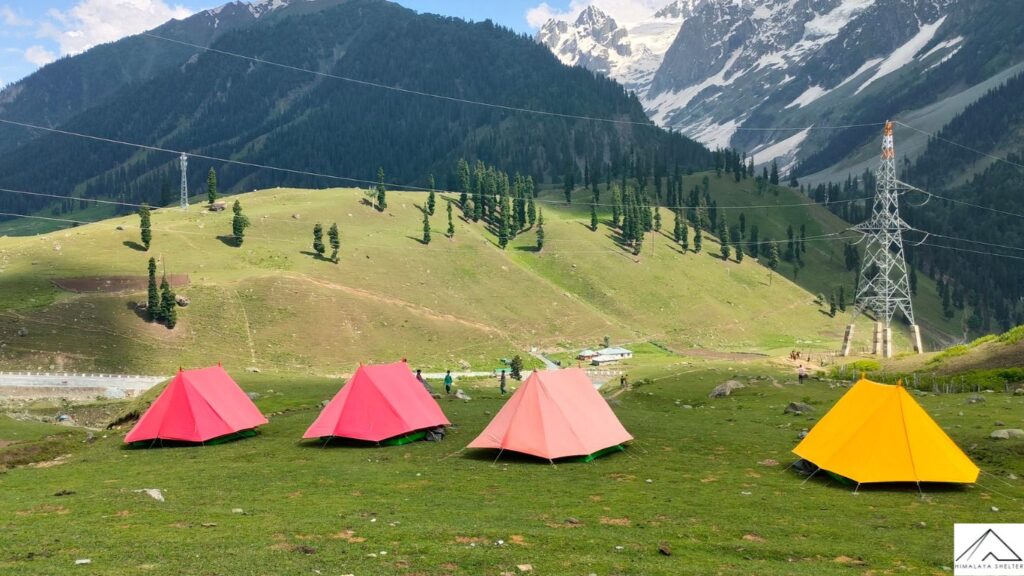
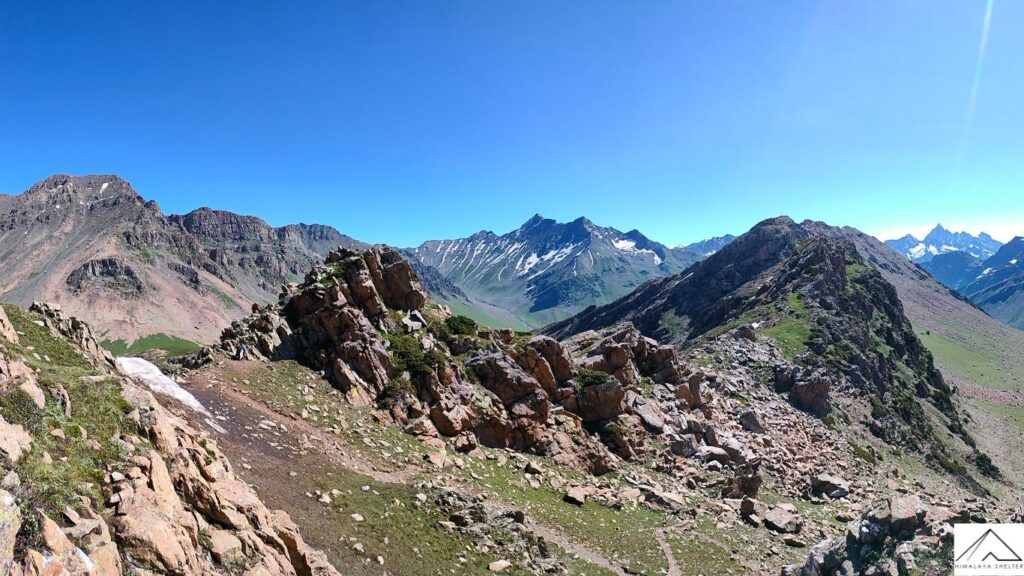
Kashmir, the crown jewel of the Indian Himalayas, is a trekker's paradise that offers some of the most breathtaking mountain experiences in the world. From pristine alpine lakes reflecting snow-capped peaks to vast meadows carpeted with wildflowers, Kashmir's trekking trails reveal landscapes that seem almost otherworldly. This comprehensive guide explores ten of the most remarkable treks in the region, each offering its own unique charm and adventure.
The Kashmir Great Lakes Trek stands as one of India's most celebrated trekking routes, and for good reason. This magnificent journey takes you through a series of seven stunning alpine lakes, each more captivating than the last, creating what many consider the most beautiful trek in the country.
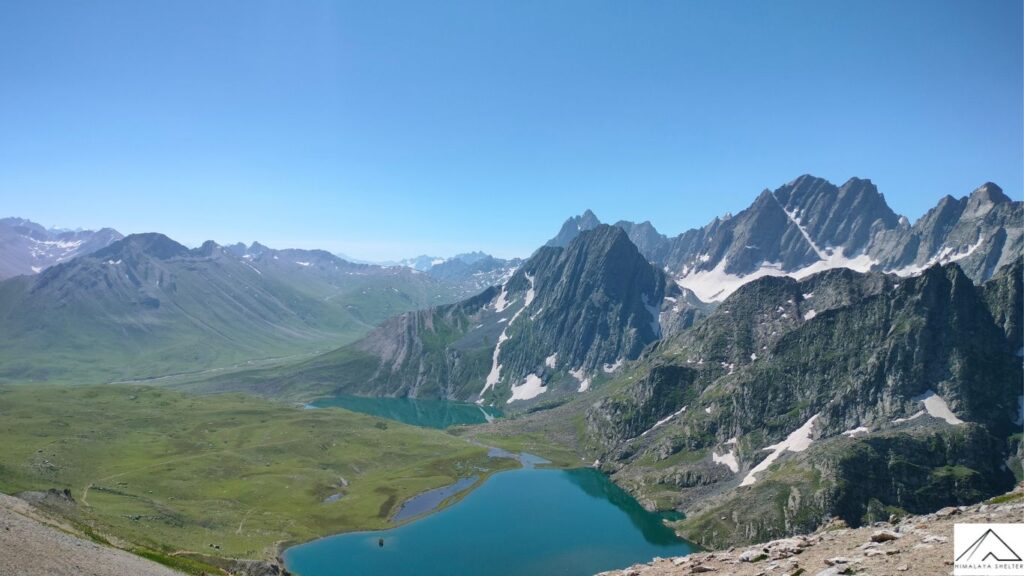
Starting from the picturesque town of Sonamarg, the trek unfolds over 7-8 days, covering approximately 70 kilometers through some of Kashmir's most dramatic terrain. The trail winds through Nichnai, Vishansar, Krishansar, Gadsar, Satsar, and Gangabal lakes, with each camp offering views that seem plucked from a dream. The turquoise waters of these glacial lakes contrast brilliantly against the surrounding peaks and meadows.
The trek reaches its highest point at Gadsar Pass, standing at approximately 13,750 feet. The descent from this pass into the Gadsar lake valley is particularly spectacular, with the lake appearing like a jewel set in a barren, rocky landscape. The diversity of landscapes encountered throughout the journey is remarkable, from dense pine forests and rolling meadows to rocky mountain passes and lakeside camps.
The best time to undertake this moderately difficult trek is between July and September, when the mountain passes are clear of snow and the meadows burst into a riot of colors with countless wildflowers. Trekkers should be in good physical condition and ideally have some prior high-altitude trekking experience. The trek demands both physical stamina and mental resilience, but the rewards are immeasurable.
The Tarsar Marsar Trek offers an enchanting journey to two of Kashmir's most beautiful alpine lakes, each with its own distinct character and charm. This trek is slightly shorter than the Great Lakes trek but equally rewarding, making it an excellent choice for those with limited time or seeking a slightly less challenging route.
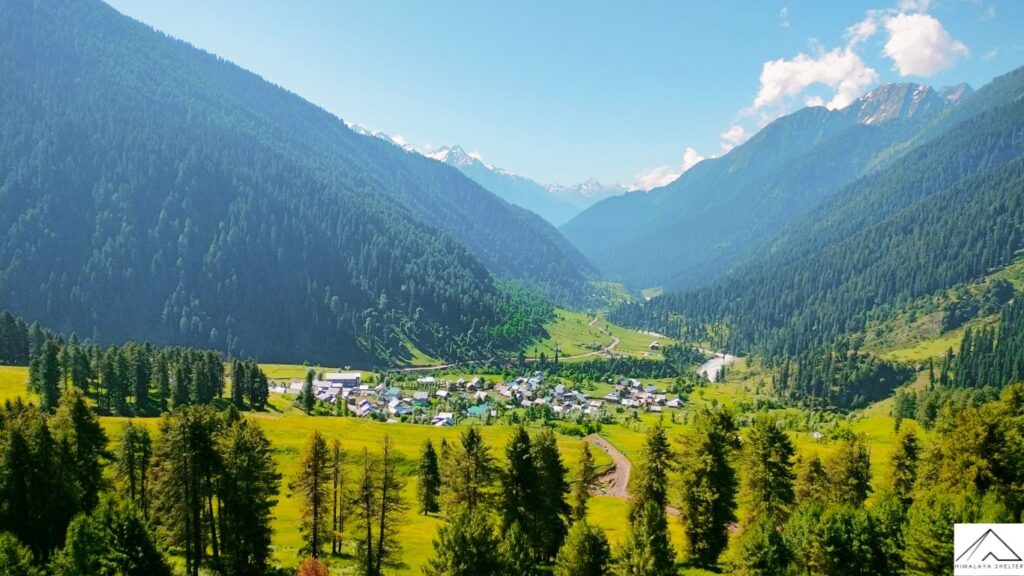
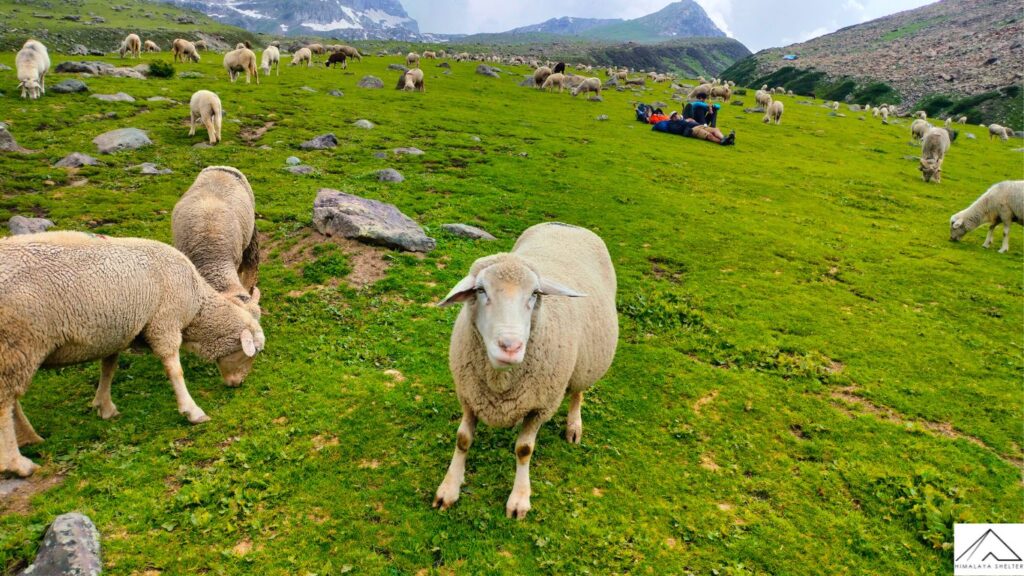
Beginning from Aru Valley near Pahalgam, the 5-6 day trek covers around 48 kilometers and reaches a maximum altitude of about 13,500 feet. The journey first takes you to Tarsar Lake, whose emerald green waters seem almost artificial in their brilliance. The lake is surrounded by lush meadows where Gujjar shepherds bring their flocks during the summer months, adding a cultural dimension to the natural beauty.
From Tarsar, the trail continues to Marsar Lake, passing through the Tarsar Pass. Marsar presents a stark contrast with its deeper blue waters set in a more rugged, rocky basin. The lake has an almost mystical quality, appearing suddenly after a challenging climb, like a reward for your efforts.
What makes this trek particularly special is the opportunity to interact with the nomadic Gujjar and Bakarwal communities who inhabit these high pastures during summer. Their traditional lifestyle, unchanged for centuries, offers insights into mountain culture that few other treks can match. The trek is moderately challenging and suitable for reasonably fit trekkers with some basic experience.
Nestled at the foot of the towering Zanskar range, Tulian Lake Trek is one of Kashmir's lesser-known treasures. This relatively short trek makes it an excellent option for those with limited time or beginners looking to experience high-altitude trekking without committing to a week-long expedition.
Starting from Pahalgam, the trek can be completed in 2-3 days, covering approximately 16 kilometers return. The trail gradually ascends through dense forests of pine and fir before emerging into alpine meadows. The final approach to the lake involves a steeper climb, but the sight that awaits makes every step worthwhile.
Tulian Lake sits at an altitude of around 11,500 feet, fed by the Tulian glacier. The lake remains frozen for much of the year, with the ice typically melting only in July and August. During these brief summer months, the surrounding meadows come alive with wildflowers, creating a stunning contrast against the stark, white glacier backdrop.
The trek offers spectacular views of the Zanskar peaks, including Mount Tatakutti. On clear days, the reflection of these mountains in the lake's calm waters creates a perfect mirror image that has captivated countless photographers. Despite its relative ease and short duration, this trek provides an authentic Himalayan experience with all the beauty of longer treks compressed into a manageable timeframe.
Marchoi Trek: Journey to the Base of Kolahoi
The Marchoi Trek, also known as the Kolahoi Base Camp trek, takes adventurers to the foot of Mount Kolahoi, Kashmir's highest peak at 17,799 feet. This trek offers a perfect blend of accessibility and adventure, making it popular among both beginners and experienced trekkers.
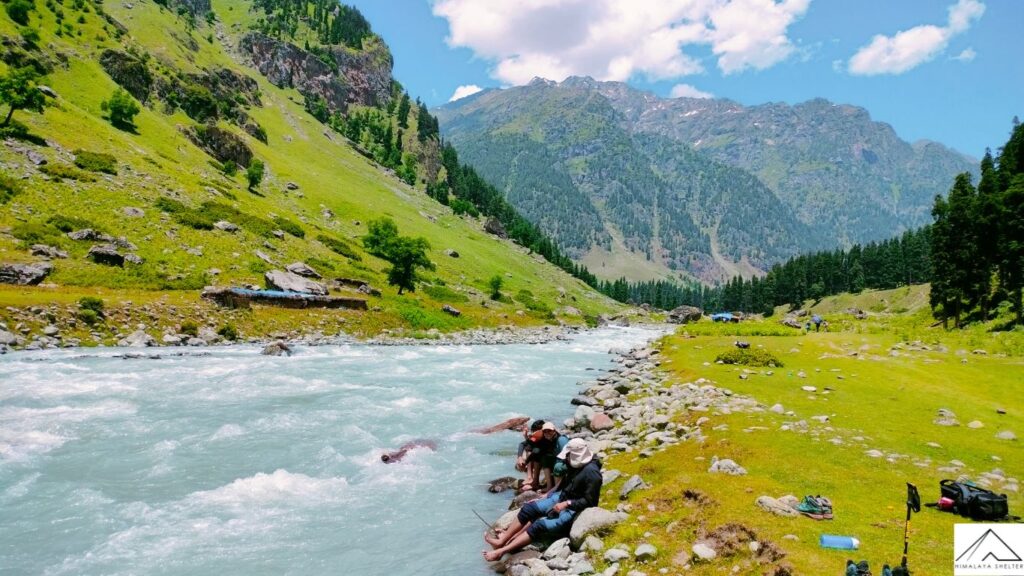
Starting from Aru Valley, the 4-5 day trek follows the Lidder River through the beautiful Lidderwat meadows before ascending to Marchoi base camp. The trail passes through some of Kashmir's most pristine forests and expansive meadows, where you're likely to encounter shepherds with their flocks.
The base camp itself sits at approximately 13,500 feet, offering breathtaking views of the Kolahoi massif and its surrounding glaciers. The scale of the mountains from this vantage point is humbling, with massive ice walls and hanging glaciers creating a dramatic amphitheater of rock and ice. For those interested in mountaineering, this trek provides excellent views and understanding of the peak's geography.
The Marchoi area is also rich in wildlife, with chances to spot Himalayan marmots, various species of birds, and occasionally even signs of snow leopards. The trek is moderately challenging, with the altitude being the primary difficulty factor. The best time to visit is from June to September when the weather is most stable and the approach is free from heavy snow.
Nafran Valley Trek is one of Kashmir's best-kept secrets, a hidden paradise that sees far fewer visitors than the more famous routes. This remote valley offers an experience of pristine wilderness and untouched natural beauty that is increasingly rare in popular trekking destinations.
The trek typically begins from Sonamarg and takes 5-6 days to complete, reaching altitudes of around 13,000 feet. The Nafran Valley itself is a narrow gorge carved by a glacial stream, flanked by steep mountains and dotted with small, seasonal shepherd settlements. The valley's isolation has preserved its natural character, with dense forests giving way to alpine meadows filled with rare Himalayan flora.
What makes Nafran particularly special is its sense of discovery and adventure. The trail is less defined than on commercial routes, and navigation requires experience or a knowledgeable guide. The valley offers multiple camping spots beside streams and in meadows, each more beautiful than the last.
Wildlife sightings are common in Nafran, including brown bears, musk deer, and numerous bird species. The valley is also known for medicinal herbs, and you'll often see local people collecting them during the summer months. This trek is best suited for experienced trekkers who appreciate solitude and are comfortable with more rugged conditions. The best time to visit is from late June to early September.
The Warwan Valley Trek represents one of Kashmir's most challenging and rewarding expeditions, a true wilderness adventure that takes you through one of the most remote valleys in the entire region. This is not a trek for the faint-hearted but rather for experienced trekkers seeking an authentic Himalayan expedition.
The classic route spans 8-10 days, connecting Panikhar in the Suru Valley to Inshin in Warwan Valley, covering approximately 90-100 kilometers. The trek crosses several high passes, with the Lomvilad Pass being the most formidable at around 17,450 feet. The altitude, combined with long days of trekking through varied terrain, makes this one of Kashmir's most demanding routes.
The Warwan Valley itself is a revelation, a narrow gorge carved by the thundering Marau Nallah river, surrounded by towering peaks. The valley is home to small, traditional villages where life continues much as it has for centuries. The people of Warwan are known for their hospitality, and staying in local homestays adds a rich cultural dimension to the trek.
The landscapes encountered on this trek are incredibly diverse, from the barren, high-altitude desert-like terrain near the passes to lush forests and terraced fields in the valley. The flora ranges from alpine flowers to ancient cedar and walnut trees. The valley is also home to endangered species like the Hangul (Kashmir stag) and the elusive snow leopard.
This trek requires excellent physical fitness, prior high-altitude experience, and proper acclimatization. The best time to attempt it is from July to early September when the high passes are most likely to be snow-free. It's essential to trek with an experienced guide who knows the route and can handle the logistical challenges of such a remote area.
The Brammah Valley Trek ventures into one of Kashmir's most unexplored regions, offering adventurers a chance to walk where few others have tread. Named after the impressive Brammah massif, this trek combines technical challenge with extraordinary beauty.
Starting from Anantnag or Daksum, the 6-7 day trek takes you deep into the Brammah Valley, reaching altitudes of approximately 14,000 feet. The valley is characterized by dramatic rock faces, hanging glaciers, and pristine meadows. The Brammah peaks, including Brammah I and Brammah II, dominate the skyline with their imposing presence.
The trek follows ancient shepherd routes through forests of pine, deodar, and fir, eventually emerging into high-altitude pastures. The valley is particularly beautiful in early summer when rhododendrons bloom, painting the hillsides in shades of red and pink. The remoteness of the area means you're likely to have the trail largely to yourself, a rare luxury in today's crowded trekking world.
The Brammah Valley is also of interest to mountaineers, as it provides approaches to several challenging peaks. Even for trekkers not interested in climbing, the close-up views of these technical mountains are awe-inspiring. The trek requires good fitness and some experience with remote, rugged terrain. Local guides are essential as the trail is not well-marked and route-finding can be challenging.
True to its name, the Silent Meadows Trek offers an escape into peaceful, lesser-known landscapes where the only sounds are birdsong and the whisper of wind through grass. This relatively new addition to Kashmir's trekking circuit has quickly gained a following among those seeking solitude and unspoiled nature.
The trek typically takes 4-5 days and can be accessed from various starting points including Aru Valley or Chandanwari. The maximum altitude reached is around 12,500 feet, making it suitable for intermediate trekkers. The trail winds through a series of expansive meadows separated by gentle ridges and forested sections.
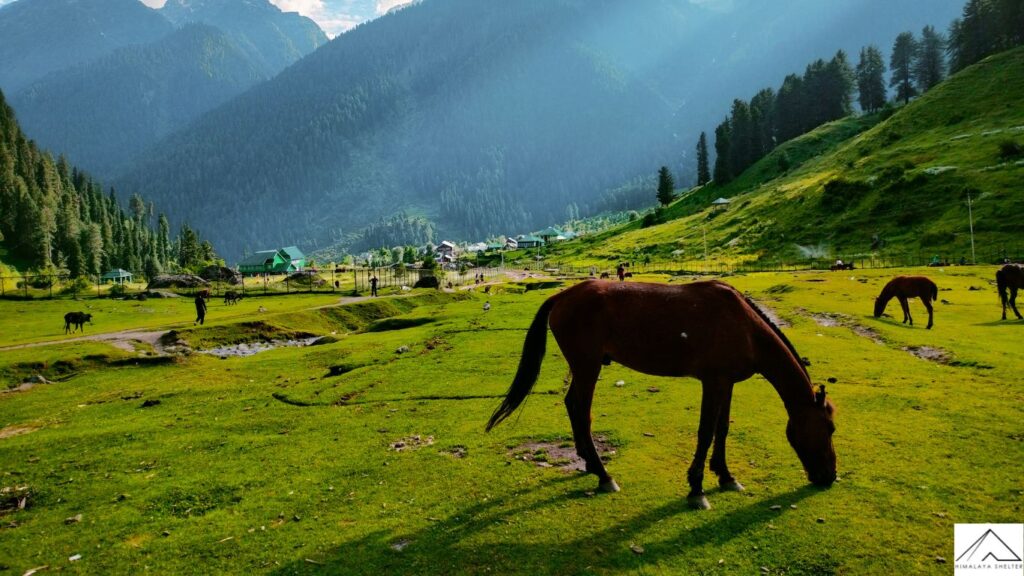
What distinguishes this trek is the sense of space and tranquility. The meadows seem to stretch endlessly, carpeted with grass and wildflowers, with no signs of human habitation beyond the occasional shepherd's hut. The views encompass multiple mountain ranges, providing constantly changing perspectives as you walk.
The trek is particularly rewarding for nature enthusiasts and photographers. The soft light of dawn and dusk transforms the meadows into golden seas, and the clear mountain air allows for crisp, stunning photography. The area is also excellent for birdwatching, with species like the Himalayan monal, snow partridge, and various raptors commonly sighted.
The Silent Meadows Trek is best undertaken from June to September. While not technically difficult, the distances between camps can be long, so reasonable fitness is required. The peaceful nature of the trek makes it ideal for those looking to disconnect from the world and reconnect with nature.
Tosamaidan, meaning "Meadow of Gold," lives up to its name with vast golden grasslands that stretch as far as the eye can see. This stunning plateau sits at an altitude of around 11,000 feet and offers one of the most accessible high-altitude trekking experiences in Kashmir.
Located in the Pir Panjal range, Tosamaidan can be reached through various routes, with treks ranging from 2-4 days depending on the starting point. The most popular route begins from Khag in Budgam district. The meadow itself covers approximately 13 square kilometers, making it one of the largest high-altitude meadows in Kashmir.
The trek to Tosamaidan passes through beautiful forests of pine and deodar, with the trail emerging into smaller meadows before reaching the main plateau. The meadow is encircled by rolling hills and distant peaks, creating a natural amphitheater of immense beauty. In spring and summer, the grasslands are dotted with countless wildflowers, while in autumn, the grass turns golden, giving the meadow its name.
Historically, Tosamaidan was used by the Indian Army as a firing range, which kept it off-limits to tourists for decades. Since being returned to civilian use, it has become increasingly popular among trekkers, though it remains relatively uncrowded. The meadow is an important grazing ground for nomadic shepherds, and you'll often see their camps and flocks during summer months.
The trek is suitable for beginners and families, though altitude acclimatization should still be taken seriously. The gentle terrain and spectacular views make it an excellent introduction to high-altitude trekking. The best time to visit is from May to October, with each season offering a different character.
The Pir Panjal Lakes Trek is a hidden gem that takes you to a series of beautiful high-altitude lakes scattered across the Pir Panjal range. This lesser-known trek offers an alternative to the more crowded Kashmir Great Lakes route while delivering equally stunning scenery.
The trek typically takes 5-6 days and can be customized to include different lakes depending on your route and time available. Common lakes on the circuit include Konsarnag, Gadsar, and several smaller unnamed lakes. The trek reaches altitudes of approximately 13,500 feet and passes through diverse terrain including forests, meadows, and rocky passes.
Konsarnag Lake, one of the highlights, is considered sacred and is surrounded by myths and legends. The lake sits in a rocky bowl, its deep blue waters reflecting the surrounding peaks. According to local belief, the lake is unfathomably deep and connected to other water bodies through underground channels. The spiritual significance adds an extra dimension to the natural beauty.
The trail connecting these lakes takes you over several passes, each offering panoramic views of the Pir Panjal and Greater Himalayan ranges. The constantly changing scenery keeps the trek interesting, with new vistas appearing around every bend. The area is home to diverse wildlife including brown bears, Himalayan black bears, and numerous bird species.
This trek is moderately challenging and requires good fitness and some previous trekking experience. The remoteness of the area means you should be prepared for variable weather and should trek with an experienced guide. The best time to undertake this trek is from July to September when the passes are clear and the weather is most stable.
Practical Information for Trekking in Kashmir
Understanding the best time to visit is crucial for a successful trek. The trekking season in Kashmir is concentrated between June and September due to heavy snowfall during other months. July and August offer the most stable weather and the fullest bloom of wildflowers, but these months also see the highest number of trekkers. June provides the advantage of fewer crowds and the excitement of crossing some remaining snow patches, though high passes may still be blocked. September brings cooler temperatures and the beautiful colors of early autumn, along with clearer skies for photography.
Physical preparation cannot be overemphasized. Start training at least two to three months before your trek with a focus on cardiovascular fitness, leg strength, and endurance. Regular hiking with a loaded backpack, stair climbing, cycling, and swimming are all excellent preparation activities. For treks reaching above 13,000 feet, some acclimatization training or prior high-altitude experience is highly beneficial.
Permits and permissions are required for most treks in Kashmir. These can usually be obtained through registered trekking operators or from the local forest department. Some areas near the Line of Control require special permits that can take time to process, so plan well in advance. Always inform local authorities about your trekking plans and expected return date.
Hiring local guides is strongly recommended, especially for less popular or remote treks. Local guides not only ensure safety and proper navigation but also provide valuable insights into the culture, flora, and fauna of the region. They can also facilitate interactions with local communities and help with language barriers. Always choose guides registered with recognized trekking associations.
Packing wisely is essential for comfort and safety. Essential items include a good quality sleeping bag rated for sub-zero temperatures, a sturdy tent if camping, proper trekking boots with ankle support, layered clothing including thermal wear, waterproof jacket and pants, sun protection including sunglasses and sunscreen, a first aid kit with altitude sickness medication, water purification tablets or filter, headlamp with extra batteries, and high-energy snacks. Always pack for the worst weather conditions, as mountain weather can change rapidly.
Environmental and Cultural Responsibility
Kashmir's pristine mountain environments are fragile ecosystems that require our protection. Always follow Leave No Trace principles by carrying out all waste including biodegradable items. Use designated toilet facilities where available or dig catholes at least 200 feet from water sources. Avoid using soap in streams and lakes, even biodegradable ones. Stay on established trails to prevent erosion and damage to alpine vegetation.
Respect for local culture is equally important. Kashmir has a rich cultural heritage shaped by centuries of tradition. Dress modestly, especially in villages and around local communities. Ask permission before photographing people or their property. Support the local economy by hiring local guides, porters, and using locally-owned accommodations and services. Learn a few words of Kashmiri or Urdu to facilitate friendly interactions.
The sacred nature of many lakes and sites should be respected. Many water bodies in Kashmir hold religious significance for local communities. Avoid any behavior that might be considered disrespectful, such as bathing in sacred lakes or leaving offerings without permission. Some areas may have restrictions during certain times or festivals, which should be observed.
Conclusion: Kashmir's Trekking Legacy
Kashmir's treks offer an unparalleled combination of natural beauty, cultural richness, and adventure. From the famous Kashmir Great Lakes circuit to the remote wilderness of Warwan Valley, from the accessible beauty of Tulian Lake to the challenging passes of the Brammah Valley, there is a trek for every ability level and aspiration.
What makes Kashmir truly special is not just the physical beauty of its landscapes but the warm hospitality of its people, the rich cultural traditions preserved in remote valleys, and the sense of stepping into a different world where time moves more slowly and nature still reigns supreme. The meadows, lakes, and mountains of Kashmir have a way of touching the soul that few other places can match.
As you plan your Kashmir trekking adventure, remember that these mountains have been drawing travelers, pilgrims, and adventurers for millennia. You are following in ancient footsteps along routes that have witnessed countless stories. With proper preparation, respect for the environment and local culture, and an open heart, your Kashmir trek will become one of your most treasured memories, a journey that will call you back long after you've returned to the plains.
The mountains of Kashmir await, with their promise of adventure, beauty, and transformation. Whether you choose the popular trails or venture into lesser-known valleys, you'll find that Kashmir offers not just a trek, but an experience that changes the way you see both the world and yourself.